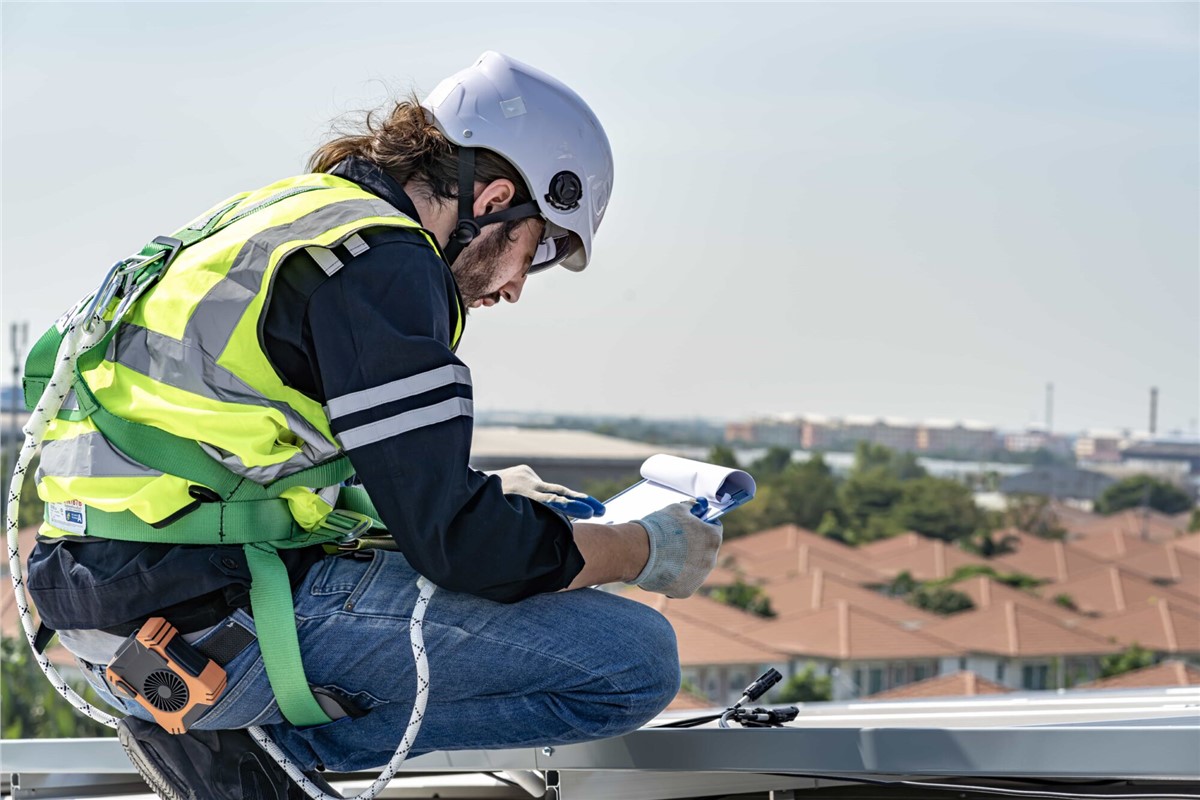
What a FREE Roof Inspection Includes (Documentation-First, No Guesswork)
When your roof shows signs of trouble — a ceiling stain after rain, a suspicious drip, or unexplained moisture in the attic — the smartest first step is a clear, thorough roof inspection. A real inspection shouldn’t be vague or rushed. It should give you specific answers, photo evidence, and a clear path forward so you know what’s happening and why.
Here’s what a quality roof inspection includes and what it means for you as a homeowner.
What You Should Receive From an Inspection
A proper roof inspection provides information you can use — not just an opinion.
You should receive:
Photo documentation of suspected entry points and problem areas so you can see exactly what’s going on.
A plain-English explanation of what failed and why the issue started.
Notes on common leak zones, especially around flashing, valleys, roof edges, and penetrations.
A clear scope of work outlining what’s necessary now versus what can wait. This turns uncertainty into a plan.
Professional inspections go beyond a quick glance. They systematically check every piece of the roof system so nothing is assumed, and nothing is hidden. That level of detail ensures you’re not making decisions based on guesswork or incomplete information.
What Inspectors Typically Check (Depending on Roof Type and Access)
A quality inspection covers both exterior and interior roof components, focusing on areas where leaks most commonly begin and often go unnoticed.
Exterior Checks
Flashing around walls, chimneys, skylights, and transitions — flashing is where water tries to find entry first.
Valley condition and drainage paths — water “highways” on your roof that channel runoff and can hide trouble.
Penetrations like pipe boots, vents, and skylights — any roof opening is a potential leak point.
Roof edges including drip edge, fascia, and eaves — proper sealing here keeps water away from walls and soffits.
Interior/Attic Checks
Attic moisture patterns and insulation condition — water stains, damp insulation, or mold indicate problems before you see them inside.
A thorough inspection doesn’t just confirm visible problems — it seeks out the subtle clues that tell the full story of your roof’s health.
Roof Repair vs Roof Replacement (How the Decision Is Actually Made)
One of the biggest decisions homeowners face is whether to repair or replace a roof. A professional inspection makes that choice clearer by identifying the extent of wear and damage rather than assuming a single symptom tells the whole story.
Roof Repair Makes Sense When:
The issue is localized — one flashing detail, one weak penetration, or one small valley.
The surrounding roof field is stable and in good shape.
The problem is not recurring across multiple zones.
Replacement Becomes Smarter When:
Leaks repeat in different locations.
Shingles are broadly brittle, lifting, or losing granules.
Multiple valleys, edges, or penetrations show system-level wear.
You’re stacking patches that don’t restore overall reliability.
A replacement isn’t always necessary the moment you see water — but when patterns of wear show up across the system, it protects against future issues and often saves money long-term compared to constant patching and repairs.
Checklist Homeowners Can Save
You don’t need to be a roofer to help track what’s happening. Save and use this quick checklist:
Photograph the stain and note the date.
Perform a simple paper towel test for moisture.
Outline the stain with a pencil and re-check after rain.
Move valuables and electronics away from the area.
Place a bucket under drips (towel inside to avoid splash).
Watch for ceiling bubbling or sagging.
If safe, check attic insulation near the area for dampness.
Note whether wind-driven rain makes it worse.
Avoid temporary patching with caulk or roofing cement.
Schedule an inspection before the next storm.
The most reliable option is the one that gives you certainty — photos and a clear diagnosis before the next rain arrives.
Common Mistakes Homeowners Make
Even well-intentioned homeowners can fall into traps that slow diagnosis or increase costs:
Waiting for a steady drip before acting.
Assuming the ceiling stain shows the exact entry point.
Patching with caulk instead of addressing flashing or drainage details.
Climbing on the roof in unsafe conditions.
Failing to document symptoms, which slows clarity later.
Frequently Asked Questions
Is a small roof leak really a big deal if it’s not dripping?
Yes — stains often show water traveling under surface layers before it drips.
Why did my ceiling stain get darker after rain?
That usually means moisture is still entering. The outline test confirms ongoing activity.
Can a roof leak show up in a different room than where it enters?
Yes. Water often travels along decking and framing before it shows inside.
What should I do first if water is coming through the ceiling?
Catch the water, protect valuables, photograph the area, and schedule an inspection — don’t climb on the roof.
How do roofers find the source of a leak?
By systematically checking likely entry points — flashing, valleys, penetrations — and following moisture patterns.
Will a quick patch hold?
Surface patches often fail because they don’t restore how roof components shed water. A proper repair addresses the system details.
Do I need roof repair or roof replacement if it keeps leaking?
Repeat leaks in multiple zones often signal broader wear. A documented inspection helps clarify the right category.
How fast should I schedule a roof inspection in Pasadena?
If stains change after rain, sooner is better — ideally before the next seasonal storm.
Conclusion
If you’re dealing with a ceiling stain, periodic drips, or the uneasy “maybe it’s nothing” feeling, clarity is the win. A roof inspection that prioritizes documentation and explanation gives you a complete picture and a clear next step — whether that’s targeted repair now, monitoring, or planning for a future replacement.
CTA (final): Schedule a photo-documented roof inspection with Green Ladder Roofing & Waterproofing. We’ll walk you through what we find, explain it in plain language, and help you decide what makes sense based on facts — not guesswork.
Subscribe to Green Ladder Roofing's Blog



Comments