Buying a Home in LA County: 10 Roof Questions to Ask Before Closing (and Why They Matter)
Buying a home in Los Angeles is exciting, but it can also come with hidden risks, especially when it comes to the roof.
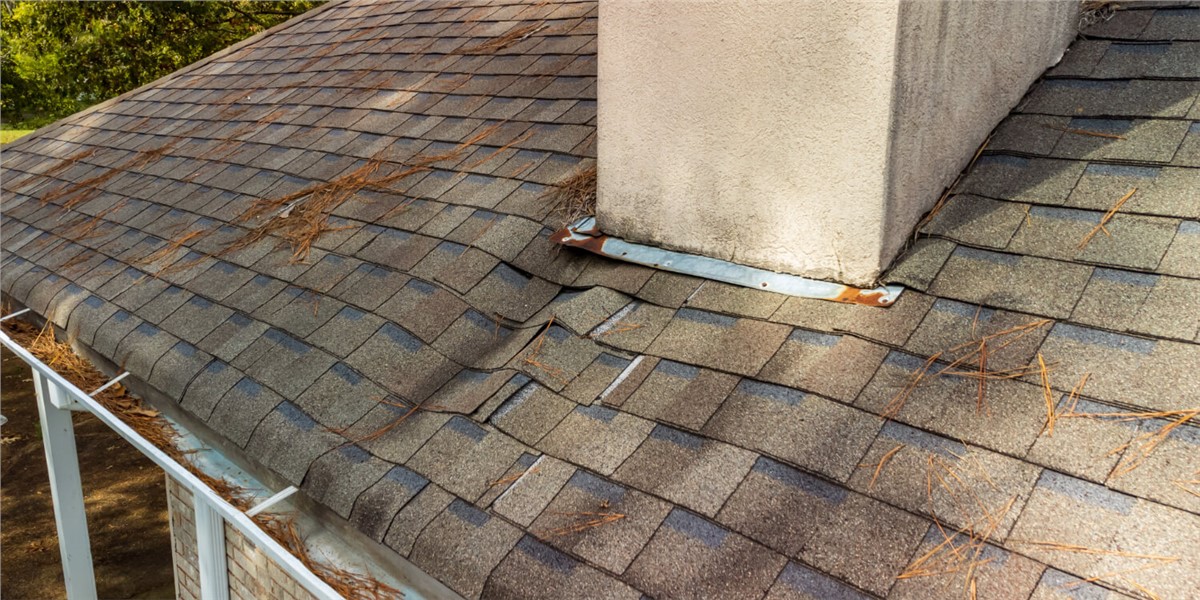
From the street, a roof can look perfectly fine. Up close, it may be hiding aging materials, outdated flashing, or past repairs that weren’t done correctly. In Southern California, where many homes are older and built with multiple additions over time, roofing systems often become a mix of eras, materials, and patchwork fixes.
That’s why a roof that isn’t leaking today can still become a costly issue shortly after move-in.
If you’re preparing for a roof inspection before buying a home, you’re already making a smart move. The right questions can help you understand what you’re inheriting, what may need attention soon, and whether you should plan for roof repair or roof replacement earlier than expected.
Below are 10 essential roof questions to ask before closing, along with why each one matters for homeowners.
Why a Roof Inspection Matters Before Buying a Home
A pre-purchase roofing inspection isn’t about finding perfection. It’s about clarity.
You’re trying to avoid three common scenarios:
Surprise roof leaks shortly after moving in
An unexpected roof replacement earlier than planned
Hidden moisture damage that expands repair costs
A thorough residential roofing inspection should help answer:
How much life does the roof realistically have left
Which areas are most likely to leak next
Whether past repairs were done correctly
If the roof system is consistent or heavily patched
One important reminder:
“No active leaks” is not the same as “no roof problems.”
10 Roof Questions to Ask Before Closing
1. How old is the roof — and how do you know?
Don’t settle for estimates without context.
Ask for:
Approximate installation year
Permits (if available)
Invoices, warranties, or scope sheets
Why it matters:
Age alone doesn’t determine roof condition, but it frames every other finding. A 10-year-old roof with poor detailing can fail sooner than a well-installed older system.
2. What exactly was the last roof work done?
“Repaired” can mean many things.
Ask specifically:
What area was addressed (valley, vent, flashing, ridge)
What materials were replaced versus resealed
Whether flashing was rebuilt or patched
You’re looking for details, not reassurance
3. Has the roof ever leaked? If so, where and why?
This question feels uncomfortable, but it’s critical.
Ask:
Where the leak appeared inside the home
What the diagnosed entry point was
Whether the fix addressed the cause or just the symptom
Leaks often return when flashing or transitions weren’t properly rebuilt.
4. Are there multiple roof layers?
Some homes can be re-roofed over older materials.
Multiple layers can affect:
Heat retention
Fastening strength
Long-term performance
Future tear-off cost
Even if the roof is functioning now, layered systems can change your long-term maintenance and replacement planning
5. What condition are the roof valleys in?
Valleys handle the highest volume of water on the roof.
Ask:
What type of valley system is present
Whether there’s debris buildup or deterioration
Signs of repeated patching
Valleys are one of the most common leak sources in Southern California roofing.
6. How are penetrations sealed?
Roof penetrations include:
Plumbing vents
Pipe boots
Skylights
Chimneys
These areas commonly fail due to:
Cracked rubber boots
Aging sealant
Improper flashing details
Small components here often cause the biggest leak issues.
7. How is the roof tied into stucco or walls?
Many homes have complex roof-to-wall transitions.
Ask:
Is step flashing installed where required?
Are there signs of tar or caulk-only repairs?
Any staining or deterioration near the wall line?
Water can travel behind stucco before showing up inside, making these leaks difficult and expensive to trace.
8. What condition are the roof edges in?
Roof edges play a major role in water control.
Check for:
Soft fascia or eve wood
Missing or damaged drip edge
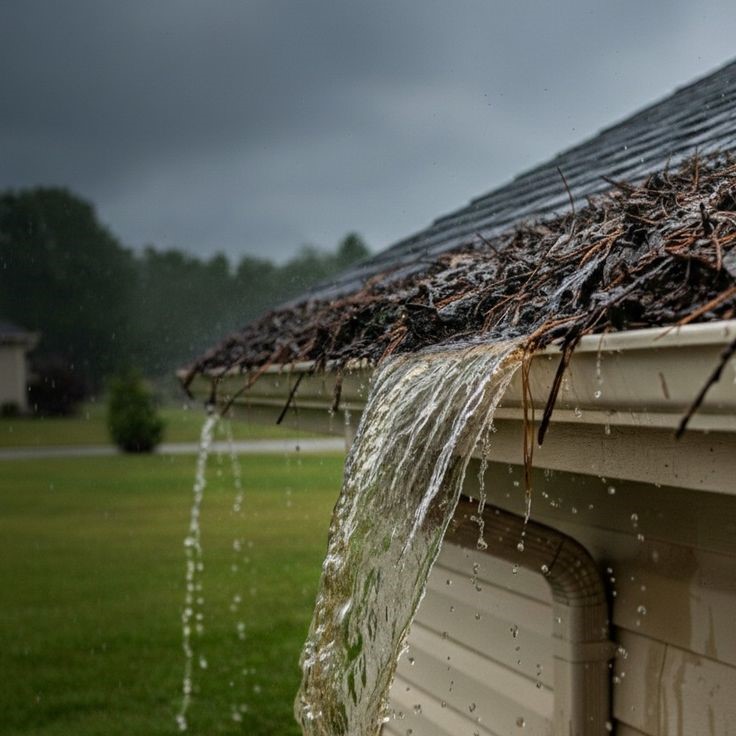
Signs of gutter overflow
Edge failures often allow water to back up under the roofing system.
9. What does the attic reveal?
If attic access is safe, ask for photos or documentation showing:
Stains on the roof decking
Past moisture patterns
Wet or compressed insulation
Basic ventilation conditions
Attics often tell the truth when the roof surface looks fine
10. What should I realistically budget for in the next 12–24 months?
This is not a sales question; it’s a planning question.
A trustworthy answer may sound like:
“This area may need repair soon.”
“The roof is stable but nearing maintenance age.”
“Plan financially for replacement in the coming years.”
This insight helps buyers avoid financial surprises in year one
Identification of high-risk leak zones
Honest assessment of remaining roof life
Repair vs. replacement considerations
Plain-language documentation you can review later
This is especially important for older Pasadena homes with layered histories and complex rooflines
Planning as a New Homeowner
Understanding your roof before closing allows you to:
Negotiate repairs when appropriate
Plan maintenance intelligently
Budget long-term instead of reacting to emergencies
Decide whether solar-ready roofing upgrades make sense in the future
Avoid compounding water damage
Roofing decisions made early often prevent much higher costs later
The Next Step Before You Close
If you’re buying a home in LA County or the surrounding San Gabriel Valley, a dedicated roof inspection provides clarity that a general home inspection often can’t.
Green Ladder Roofing offers residential roofing inspections with detailed photo documentation and straightforward explanations, helping buyers understand roof condition, repair needs, and realistic timelines before closing.
If you’d like a clear picture of the roof you’re about to inherit, not just a surface-level pass, scheduling an inspection is a practical place to start.
Subscribe to Green Ladder Roofing's Blog



Comments