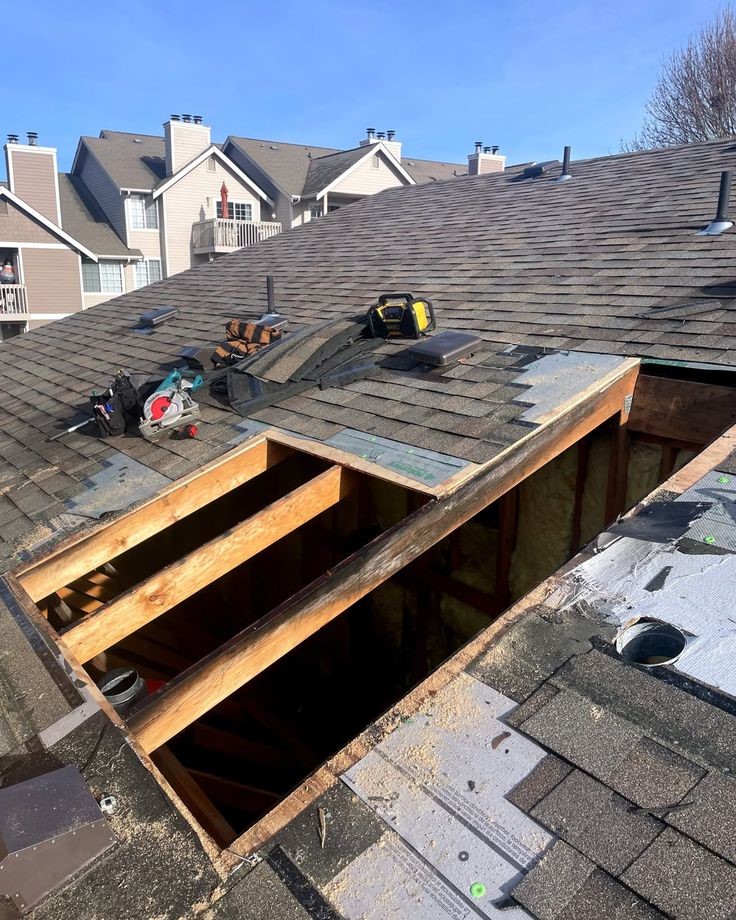
Roof Leak First Aid: What Southern California Homeowners Should Do First
A roof leak never happens at a convenient time. It often starts during a heavy rain, late at night, or right when you realize your roof is older than you thought. One small drip can quickly turn into damaged drywall, warped flooring, mold risk, and costly repairs if it is not handled correctly.
If you are dealing with an active roof leak, your goal is not to fix the roof yourself in the middle of a storm. The priority is safety and damage control until a qualified roofing contractor can properly assess and stabilize the issue.
Below is a clear, homeowner-friendly guide to roof leak first aid—what to do immediately, what to avoid, and what to expect next.
Step One: Protect Your Home and Reduce Risk
When water enters your home, it can damage far more than the ceiling. Start by protecting the interior and minimizing secondary damage.
Move and protect belongings
Move furniture, rugs, electronics, and valuables away from the leak area.
Use towels, plastic sheeting, or drop cloths to protect flooring.
If it is safe, unplug nearby electronics.
Watch for electrical hazards
If water is near a ceiling light, outlet, smoke detector, or fan, do not touch switches in that area.
Keep distance and let a professional address it.
Taking these steps early can significantly reduce repair costs from water damage unrelated to the roof itself.
Step Two: Catch the Water the Right Way
Contain the leak as cleanly as possible.
Place a bucket or plastic bin directly under the drip.
Put an old towel or rag inside the container to prevent splashing.
Check it regularly—overflow is how minor leaks become major messes.
This may seem simple, but controlled containment prevents damage to flooring, baseboards, and adjacent rooms.
Step Three: Drain Ceiling Bubbles Carefully
In many Southern California homes, water collects above drywall before it becomes visible. This often shows up as a sagging or bubbling ceiling.
If left alone, that bubble can burst and release a large volume of water at once.
A controlled drain is safer:
Place a large container under the lowest point of the bubble.
Use a small tool to make a tiny hole and allow water to drain slowly.
Stop once the pressure is relieved—do not create a large opening.
This approach reduces sudden water release and limits damage to surrounding areas.
Step Four: Do Not Get on the Roof
Even if you are handy, climbing onto a wet roof during wind or rain is extremely dangerous.
Wet roofing materials are slippery.
Wind reduces balance and visibility.
Steep slopes, tile, or aging shingles increase fall risk.
Professional roofing crews avoid unsafe conditions for a reason. Interior damage can be repaired. Injuries cannot always be undone.
Step Five: Call for Emergency Roof Leak Repair Immediately
Once the interior water is controlled, contact a local roofing contractor experienced with emergency situations.
Look for a contractor who offers:
Emergency roof leak repair
Temporary roof tarping
Storm damage roof repair
Same-day or rapid response roofing inspections
When you call, be ready to share:
Where the leak is showing inside the home
When it started
Whether the water is active or intermittent
Photos or short videos, if possible
These details help speed up diagnosis and response.
Optional: Safely Check the Attic (Only If Easy and Safe)
If your attic is easily accessible and does not require risky climbing, a quick visual check can be helpful.
Using a flashlight, look for:
Wet or compressed insulation
Darkened or stained wood
Shiny moisture or active dripping
If you see anything concerning, take a photo. This can help your roofing contractor trace the leak faster during a roofing inspection.
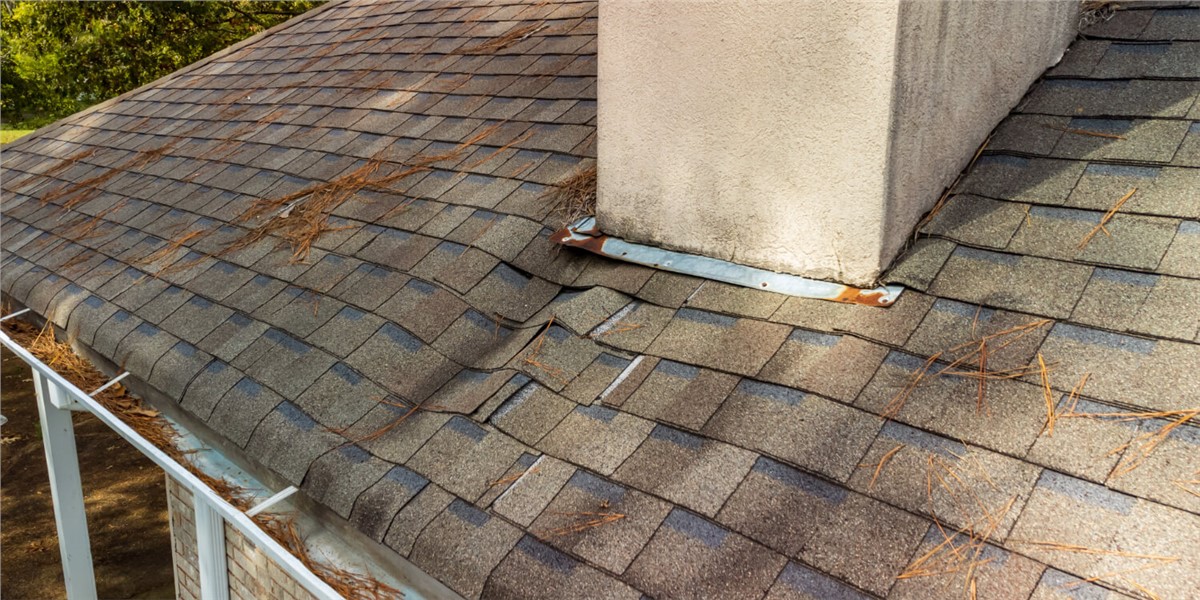
Keep in mind: the visible ceiling stain is rarely where the roof leak starts. Water often travels along rafters before appearing inside, especially near valleys, flashing, vents, skylights, chimneys, and roof-to-wall transitions.
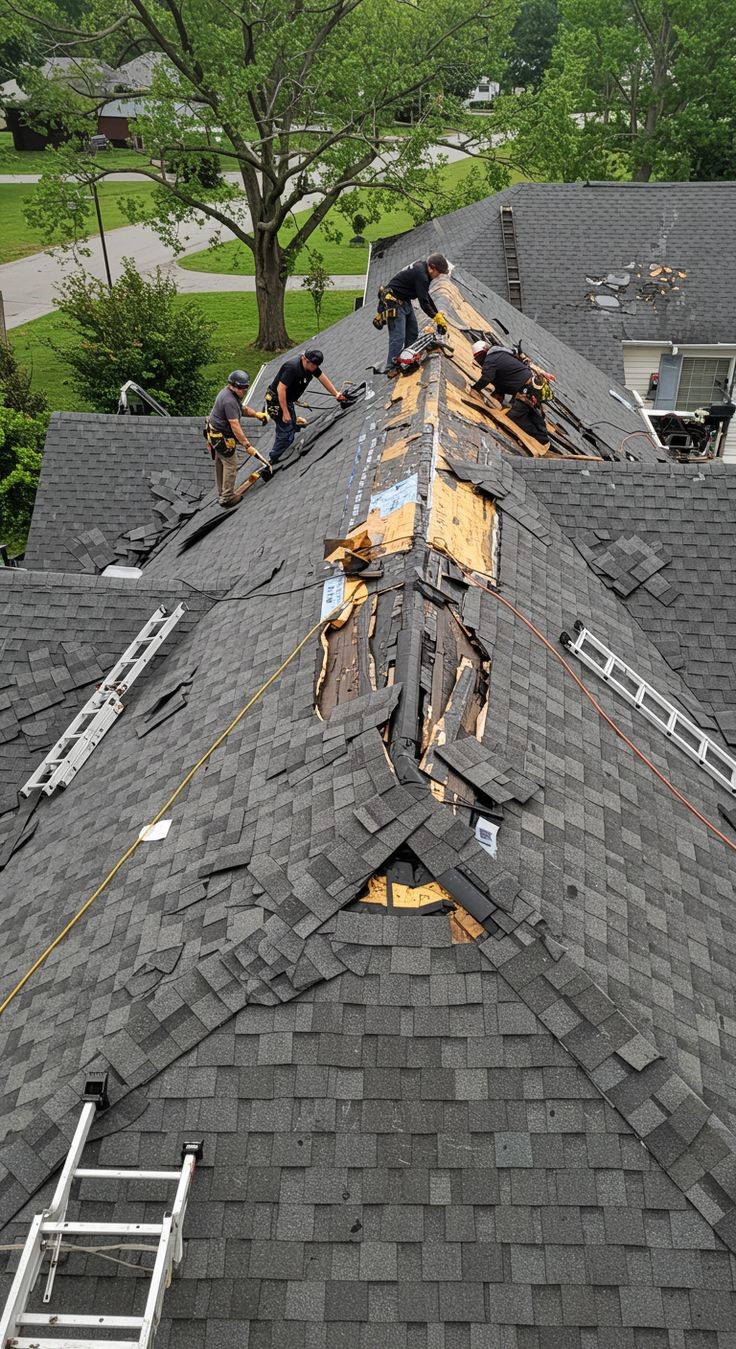
What Happens Next: Understanding the Two-Step Repair Process
Most roof leak situations are resolved in two stages. This is normal and intentional.
Step One: Stop More Water From Entering
The immediate goal is stabilization. This may involve:
Emergency tarping
Temporary patching
Isolating the entry point
This step protects your home from further damage and buys time until conditions are safe for permanent work.
Step Two: Identify the Root Cause and Make a Permanent Repair
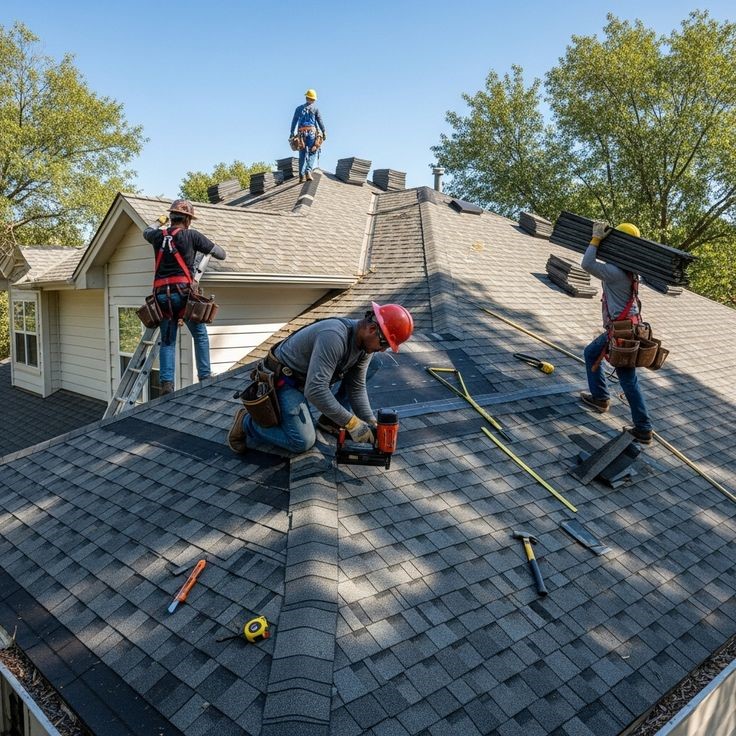
Once the roof is dry and accessible, your roofer will:
Perform a detailed roof inspection
Trace the true source of the leak
Address flashing failures, underlayment issues, penetrations, valleys, or transitions
Recommend a targeted roof repair or, if necessary, a roof replacement
This long-term approach ensures the problem is solved correctly—not just temporarily hidden.
Why Roof Leaks Are Common in Southern California Homes
Southern California roofs face unique challenges:
Long periods of sun exposure that dry and crack materials
Sudden heavy rain that exploits weak points
Aging roofs that were not designed for modern energy or solar needs
In areas like Pasadena and surrounding communities, many homes have roofs that are 15–30 years old. Even if a roof looks fine from the street, hidden vulnerabilities can exist beneath the surface.
Regular residential roofing inspections help identify these issues before leaks occur, especially if you are considering energy-efficient roofing upgrades or solar-ready roofing in the future.
A Smarter Way to Protect Your Home
Roof leaks are stressful, but handling them correctly can prevent far greater damage. Knowing what to do—and what not to do—gives you control in a situation that often feels overwhelming.
At Green Ladder Roofing, we approach roof repair and roof replacement with a long-term mindset. Our inspections are thorough, our documentation is clear, and our recommendations are based on what protects your home best—today and years from now.
If you are dealing with an active leak or want to understand the condition of your roof before the next storm, scheduling a professional roofing inspection is a smart first step.
Contact Green Ladder Roofing to learn more or to schedule an inspection with a trusted Southern California roofing contractor.
Subscribe to Green Ladder Roofing's Blog



Comments